Planning a Rinnai Tankless Water Heater Installation for Your San Clemente Home
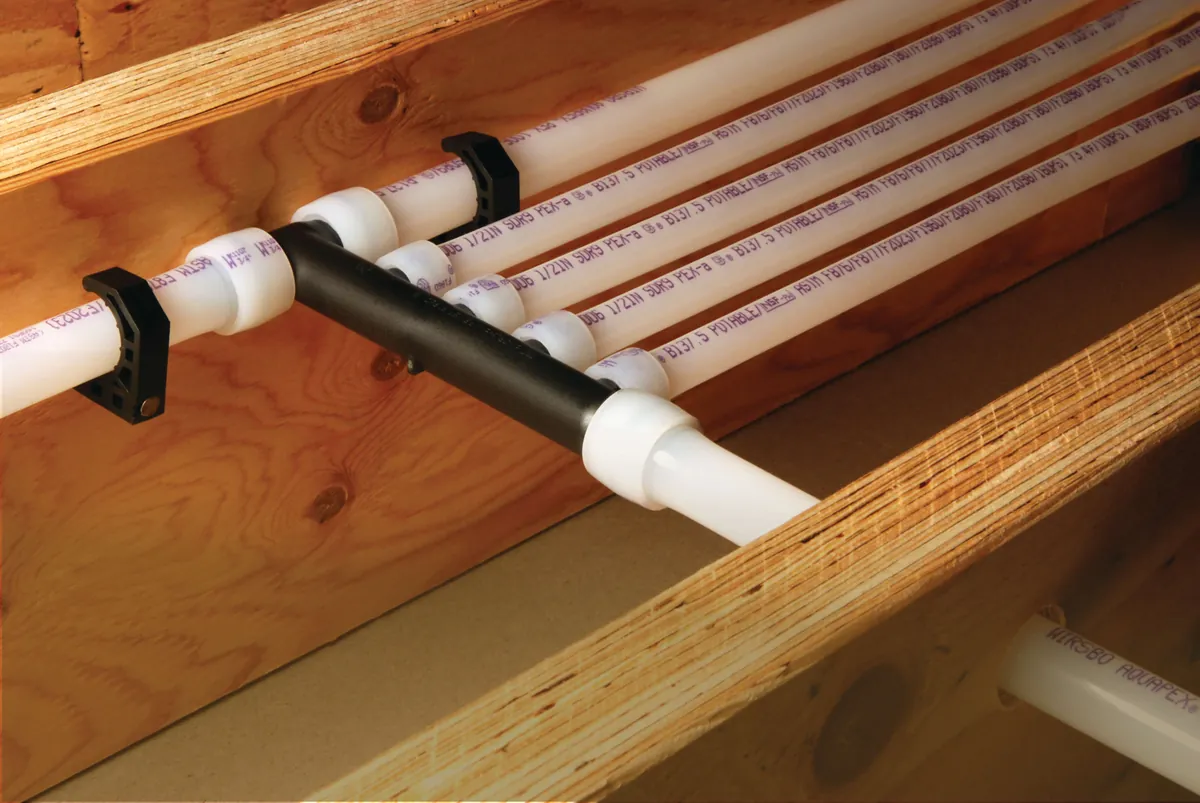
From Talega to the rest of San Clemente, here is how Repipe OC plans a Rinnai tankless install around real hot-water demand.
San Clemente homeowners ask us about Rinnai more than any other tankless brand. San Clemente ranges from older beach cottages near the pier to newer Talega and Marblehead builds, so the right Rinnai setup changes block by block.
Below is how we approach a Rinnai tankless water heater installation: measuring demand, checking gas, choosing indoor or outdoor, and looking honestly at the pipes that will feed the new heater. Repipe OC is licensed under CSLB #1087885 (C-36).
Local factors in San Clemente
Most San Clemente homes we visit in Talega, Forster Ranch, Southwest San Clemente, Marblehead, Rancho San Clemente still have the heater where the builder put it. That is often fine for a Rinnai, but it is worth asking whether a different location would shorten hot-water waits, especially if a repipe is also being considered.
Because San Clemente Municipal Water District water leaves scale over time, we set up every install so routine descaling is simple.
A brand choice and a plumbing decision
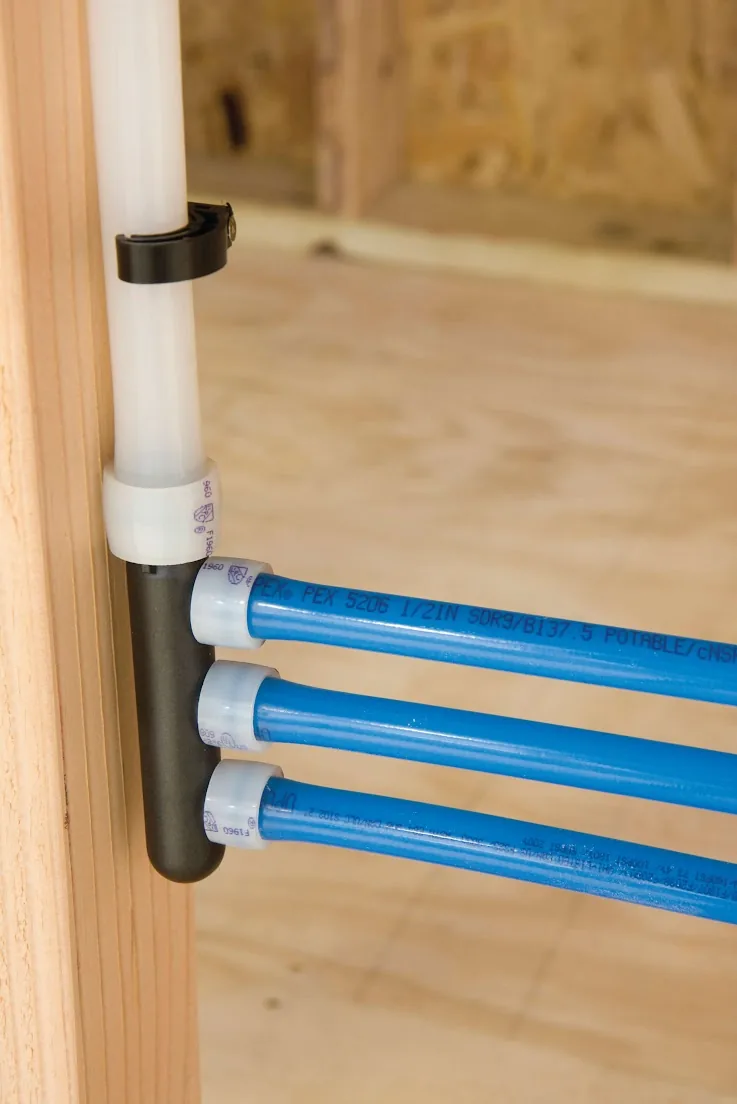
Choosing Rinnai settles the brand question. It does not settle sizing, location, venting, or whether the old copper or galvanized lines can handle the change. A Rinnai tankless water heater installation done carefully answers each of those questions in writing before work begins, so you know what is being replaced, what is being upgraded, and why.
Repipe OC approaches every tankless conversion the same way we approach a repipe: measure first, protect the home, pull the permit, and test before we leave.
Venting and clearances done to code
Indoor Rinnai units must vent to the outdoors with the materials and lengths their installation manual allows. Condensing models typically use plastic vent pipe; non-condensing indoor units need venting rated for hotter exhaust. Terminations have to clear windows, doors, air intakes, and walkways by set distances.
Outdoor models avoid vent pipe but still have clearance rules. We lay out the termination or mounting spot during the estimate so you can see exactly where the unit and any vent cap will sit before anything is drilled.
Signs your pipes should be part of the conversation
| What you notice | What it may point to |
|---|---|
| Past pinhole leaks in copper | Systemic wear likely elsewhere |
| Rusty or brown water at startup | Corroding galvanized supply |
| Gray plastic supply lines | Polybutylene that should be replaced |
| Weak pressure at several fixtures | Restricted or undersized lines |
Any of these is worth discussing before the new heater goes on the wall.
San Clemente install notes
Southwest San Clemente cottages tend to have short runs and small mechanical spaces, while Talega and Forster Ranch homes are larger with longer distances to upstairs bathrooms. For the former, compact outdoor units on a side yard wall are common; for the latter, we talk through recirculation and gas upsizing before choosing a model.
Indoor, outdoor, and the models in between
- Outdoor wall-mount: no vent pipe through the roof or wall; needs clearances from windows, doors, and property lines
- Indoor condensing: high efficiency, PVC-style venting, condensate drain required
- Indoor non-condensing: fewer drain concerns, but venting must be rated for the exhaust temperature
- Built-in recirculation models: some Rinnai units include an internal pump for faster hot water at distant fixtures
The right pick depends on where your current tank sits, how far the farthest bathroom is, and what your HOA allows on exterior walls.
Questions we ask before recommending a model
- How many bathrooms are used at the same time on a busy morning?
- Is there a large soaking tub or multi-head shower?
- How far is the farthest fixture from the current heater location?
- Does the dishwasher or washer run while people shower?
- Are you planning to add a bathroom or ADU?
The answers decide the model, whether recirculation is worth adding, and how much gas capacity the home needs.
What happens on install day
Most straightforward swaps take a single day; installs with gas upsizing, new venting routes, or a repipe take longer. A typical sequence is: protect floors, shut off gas and water, remove the old tank, mount the Rinnai, connect gas, water, venting, power, and drain, then purge air, fire the unit, and check temperatures and gas pressure under load.
Before we leave, we walk you through the controller, the isolation valves, and what a future flush looks like.
FAQ: Rinnai tankless water heater installation
Can a Rinnai replace my tank in the same spot? Often yes, but the gas line and venting usually need changes.
Do I need a permit? Yes. Water heater replacement is permitted work in Orange County cities.
Will hot water arrive faster? Not by itself. Recirculation or relocating the heater addresses wait time.
Do you sell water softeners? No. We focus on proper installation and piping; optional filtration is a separate discussion.
Next step for San Clemente homeowners
Get a written Rinnai install plan for your San Clemente property: (949) 524-2362 · [email protected] · https://repipesoc.com. Repipe OC, 23821 Hillhurst Drive, Laguna Niguel, CA 92677. Licensed C-36 #1087885.
Repipe OC near you
Not in San Clemente? The same crew serves nearby cities. See the Repipe OC hub (repipeinc.com), or jump to a neighboring city:
 Written by Repipe OC · CSLB #1087885 C-36 · 23821 Hillhurst Drive, Laguna Niguel, CA 92677 · (949) 524-2362