Microbial Corrosion in Copper Pipes: A Hidden Cause of Pinhole Leaks in San Clemente
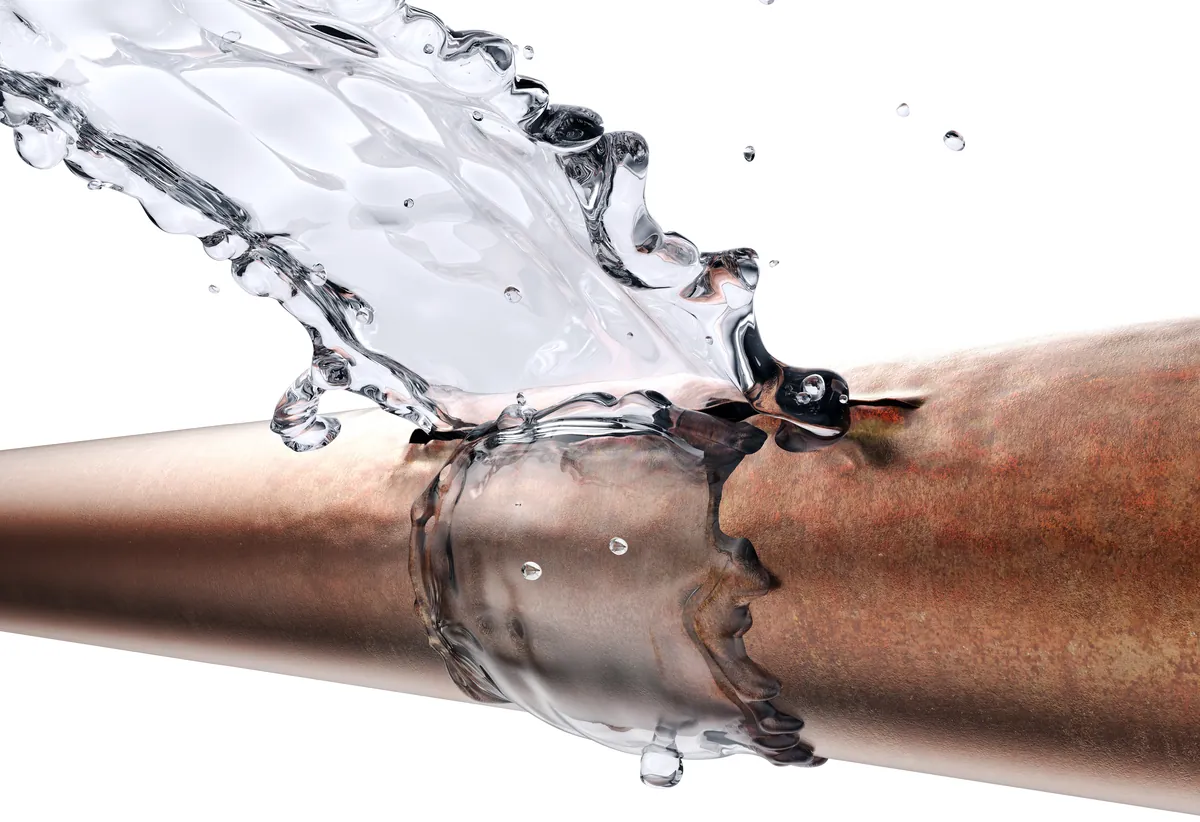
Bacteria living in a thin film inside water pipes can contribute to pitting and pinhole leaks. Here is how microbial corrosion works and what San Clemente owners can…
Pinhole leaks in copper pipe have many possible causes, and one of the least familiar is biological. Bacteria can live in a thin layer on the inside of water pipes, and under the right conditions their activity contributes to pitting in the metal. San Clemente microbial corrosion is worth understanding because it behaves differently from wear caused by water chemistry or velocity alone. This guide explains how it happens, what conditions encourage it and how microbial corrosion in San Clemente homes is usually identified.
What microbial corrosion is
The technical name is microbiologically influenced corrosion, often shortened to MIC. It does not mean bacteria are eating the pipe. Instead, microorganisms form a slimy layer called a biofilm on the inner pipe wall. Inside that layer, their byproducts can create small zones that are more acidic or chemically different from the water flowing past. Those zones can focus corrosion on tiny spots, which deepen into pits and eventually into pinholes.
Biofilms exist in almost every water system to some degree. Most never cause trouble. Problems tend to show up when conditions let the film grow thick and stay undisturbed for long periods.
Conditions that can encourage it
Several factors are often linked to microbial corrosion:
- Low water use. Lines that sit still for days or weeks, such as in second homes or rarely used bathrooms, give biofilms time to grow.
- Low disinfectant levels. Water that has traveled a long way or sat in pipes can lose some of its disinfectant.
- Warm water. Moderate temperatures, such as in some hot water lines and recirculation loops, can favor growth.
- Dead legs. Capped branches and abandoned fixture lines hold water that rarely moves.
- Sediment and debris, which give bacteria places to settle.
None of these guarantees a problem, and microbial activity often works alongside other causes such as water chemistry, high velocity or poor installation.
New construction and newly plumbed additions can be affected too. When a system is filled and tested but then sits unused for weeks before anyone moves in, water stands in the pipes during the period when protective layers on fresh copper are still forming. Regular flushing during that time is a simple habit that helps.
Signs that point toward it
Microbial corrosion can be hard to separate from other pinhole causes, but certain clues are suggestive:
- Repeated pinhole leaks in different parts of the house, sometimes along the bottom of horizontal pipes.
- Blue or blue-green water, or stains in sinks and tubs.
- Slimy or gelatinous deposits when a fitting or aerator is removed.
- Leaks concentrated in low-use areas, such as guest bathrooms.
How it is confirmed
The most reliable way to identify microbial corrosion is laboratory analysis of a failed section of pipe. A lab can examine the pits, the deposits inside the pipe and sometimes the microbes present. Water testing can add useful information about disinfectant levels and chemistry. Because the evidence overlaps with other causes, a clear diagnosis usually comes from combining the pipe analysis, the water results and the leak history.
San Clemente microbial corrosion and local homes
San Clemente has housing from many eras, from Spanish Colonial Revival homes near downtown and the pier to 1960s through 1980s neighborhoods and newer communities such as Talega and Forster Ranch. Many coastal homes are second homes or rentals that sit empty for stretches of time, which means water may stand still in the pipes for days or weeks. Older copper systems with branch lines to remodeled bathrooms can also hide dead legs. Those patterns are why owners who see repeat pinholes ask about microbial corrosion in San Clemente homes.
Practical steps
Run water through every fixture regularly, including guest bathrooms and outdoor spigots, especially after the home has been empty. Ask a plumber to look for capped branches that could be removed. Save any removed sections of failed pipe. Keep a log of leak dates and locations, and note any color changes in the water.
If leaks keep returning, a licensed plumber can help you weigh spot repairs against replacing the affected lines with new piping. Understanding San Clemente microbial corrosion helps you choose a fix that addresses the cause, not just the latest pinhole.
Quick takeaways
- Microbial corrosion starts in biofilms on the inner pipe wall.
- Low use, stagnant branches and low disinfectant levels can encourage it.
- Lab analysis of failed pipe is the most reliable way to confirm it.
- Run water through every fixture regularly, especially in second homes.
Related reading
On this site, see rusty water from pipes and old house plumbing. Neighbors can visit Dana Point, San Juan Capistrano and Laguna Niguel, or browse every city at repipeinc.com.
Questions about microbial corrosion in San Clemente?
Request a free quote and talk with a licensed C-36 plumbing contractor about repeat pinhole leaks in your copper piping. Get my free quote. Our AI system alerts a technician instantly, so you get a fast callback.
Repipe OC, 23821 Hillhurst Drive, Laguna Niguel, CA 92677, (949) 524-2362, CSLB #1087885 C-36.
Repipe OC near you
Not in San Clemente? The same crew serves nearby cities. See the Repipe OC hub (repipeinc.com), or jump to a neighboring city:
 Written by Repipe OC · CSLB #1087885 C-36 · 23821 Hillhurst Drive, Laguna Niguel, CA 92677 · (949) 524-2362